Does ChatGPT know Chinese?

If you ask it, its answer is “Yes.” If you ask it if it “understands” Chinese, its answer is again “Yes” without hesitation. Searle’s 1980 Chinese Room argument is more relevant than ever in the age of LLMs:

๐˜š๐˜ถ๐˜ฑ๐˜ฑ๐˜ฐ๐˜ด๐˜ฆ ๐˜ข ๐˜ฎ๐˜ฐ๐˜ฅ๐˜ฆ๐˜ญ (๐˜ฃ๐˜ฐ๐˜น ๐˜ช๐˜ฏ ๐˜ต๐˜ฉ๐˜ฆ ๐˜ฑ๐˜ช๐˜ค๐˜ต๐˜ถ๐˜ณ๐˜ฆ) ๐˜ต๐˜ฉ๐˜ข๐˜ต ๐˜ฃ๐˜ฆ๐˜ฉ๐˜ข๐˜ท๐˜ฆ๐˜ด ๐˜ข๐˜ด ๐˜ช๐˜ง ๐˜ช๐˜ต ๐˜ถ๐˜ฏ๐˜ฅ๐˜ฆ๐˜ณ๐˜ด๐˜ต๐˜ข๐˜ฏ๐˜ฅ๐˜ด ๐˜Š๐˜ฉ๐˜ช๐˜ฏ๐˜ฆ๐˜ด๐˜ฆ. ๐˜๐˜ต ๐˜ต๐˜ข๐˜ฌ๐˜ฆ๐˜ด ๐˜Š๐˜ฉ๐˜ช๐˜ฏ๐˜ฆ๐˜ด๐˜ฆ ๐˜ค๐˜ฉ๐˜ข๐˜ณ๐˜ข๐˜ค๐˜ต๐˜ฆ๐˜ณ๐˜ด ๐˜ข๐˜ด ๐˜ช๐˜ฏ๐˜ฑ๐˜ถ๐˜ต ๐˜ข๐˜ฏ๐˜ฅ ๐˜ฑ๐˜ณ๐˜ฐ๐˜ฅ๐˜ถ๐˜ค๐˜ฆ๐˜ด ๐˜ฐ๐˜ต๐˜ฉ๐˜ฆ๐˜ณ ๐˜Š๐˜ฉ๐˜ช๐˜ฏ๐˜ฆ๐˜ด๐˜ฆ ๐˜ค๐˜ฉ๐˜ข๐˜ณ๐˜ข๐˜ค๐˜ต๐˜ฆ๐˜ณ๐˜ด ๐˜ข๐˜ด ๐˜ฐ๐˜ถ๐˜ต๐˜ฑ๐˜ถ๐˜ต. ๐˜›๐˜ฉ๐˜ช๐˜ด ๐˜ฎ๐˜ฐ๐˜ฅ๐˜ฆ๐˜ญ ๐˜ฑ๐˜ฆ๐˜ณ๐˜ง๐˜ฐ๐˜ณ๐˜ฎ๐˜ด ๐˜ช๐˜ต๐˜ด ๐˜ต๐˜ข๐˜ด๐˜ฌ ๐˜ด๐˜ฐ ๐˜ค๐˜ฐ๐˜ฏ๐˜ท๐˜ช๐˜ฏ๐˜ค๐˜ช๐˜ฏ๐˜จ๐˜ญ๐˜บ ๐˜ต๐˜ฉ๐˜ข๐˜ต ๐˜ช๐˜ต ๐˜ค๐˜ฐ๐˜ฎ๐˜ง๐˜ฐ๐˜ณ๐˜ต๐˜ข๐˜ฃ๐˜ญ๐˜บ ๐˜ฑ๐˜ข๐˜ด๐˜ด๐˜ฆ๐˜ด ๐˜ต๐˜ฉ๐˜ฆ ๐˜›๐˜ถ๐˜ณ๐˜ช๐˜ฏ๐˜จ ๐˜ต๐˜ฆ๐˜ด๐˜ต: ๐˜ช๐˜ต ๐˜ค๐˜ฐ๐˜ฏ๐˜ท๐˜ช๐˜ฏ๐˜ค๐˜ฆ๐˜ด ๐˜ข ๐˜ฉ๐˜ถ๐˜ฎ๐˜ข๐˜ฏ ๐˜Š๐˜ฉ๐˜ช๐˜ฏ๐˜ฆ๐˜ด๐˜ฆ ๐˜ด๐˜ฑ๐˜ฆ๐˜ข๐˜ฌ๐˜ฆ๐˜ณ ๐˜ต๐˜ฉ๐˜ข๐˜ต ๐˜ต๐˜ฉ๐˜ฆ ๐˜ฎ๐˜ฐ๐˜ฅ๐˜ฆ๐˜ญ ๐˜ช๐˜ด ๐˜ช๐˜ต๐˜ด๐˜ฆ๐˜ญ๐˜ง ๐˜ข ๐˜ญ๐˜ช๐˜ท๐˜ฆ ๐˜Š๐˜ฉ๐˜ช๐˜ฏ๐˜ฆ๐˜ด๐˜ฆ ๐˜ด๐˜ฑ๐˜ฆ๐˜ข๐˜ฌ๐˜ฆ๐˜ณ. ๐˜›๐˜ฐ ๐˜ข๐˜ญ๐˜ญ ๐˜ฐ๐˜ง ๐˜ต๐˜ฉ๐˜ฆ ๐˜ฒ๐˜ถ๐˜ฆ๐˜ด๐˜ต๐˜ช๐˜ฐ๐˜ฏ๐˜ด ๐˜ต๐˜ฉ๐˜ข๐˜ต ๐˜ต๐˜ฉ๐˜ฆ ๐˜ฑ๐˜ฆ๐˜ณ๐˜ด๐˜ฐ๐˜ฏ ๐˜ข๐˜ด๐˜ฌ๐˜ด, ๐˜ช๐˜ต ๐˜ฎ๐˜ข๐˜ฌ๐˜ฆ๐˜ด ๐˜ข๐˜ฑ๐˜ฑ๐˜ณ๐˜ฐ๐˜ฑ๐˜ณ๐˜ช๐˜ข๐˜ต๐˜ฆ ๐˜ณ๐˜ฆ๐˜ด๐˜ฑ๐˜ฐ๐˜ฏ๐˜ด๐˜ฆ๐˜ด, ๐˜ด๐˜ถ๐˜ค๐˜ฉ ๐˜ต๐˜ฉ๐˜ข๐˜ต ๐˜ข๐˜ฏ๐˜บ ๐˜Š๐˜ฉ๐˜ช๐˜ฏ๐˜ฆ๐˜ด๐˜ฆ ๐˜ด๐˜ฑ๐˜ฆ๐˜ข๐˜ฌ๐˜ฆ๐˜ณ ๐˜ธ๐˜ฐ๐˜ถ๐˜ญ๐˜ฅ ๐˜ฃ๐˜ฆ ๐˜ค๐˜ฐ๐˜ฏ๐˜ท๐˜ช๐˜ฏ๐˜ค๐˜ฆ๐˜ฅ ๐˜ต๐˜ฉ๐˜ข๐˜ต ๐˜ต๐˜ฉ๐˜ฆ๐˜บ ๐˜ข๐˜ณ๐˜ฆ ๐˜ต๐˜ข๐˜ญ๐˜ฌ๐˜ช๐˜ฏ๐˜จ ๐˜ต๐˜ฐ ๐˜ข๐˜ฏ๐˜ฐ๐˜ต๐˜ฉ๐˜ฆ๐˜ณ ๐˜Š๐˜ฉ๐˜ช๐˜ฏ๐˜ฆ๐˜ด๐˜ฆ-๐˜ด๐˜ฑ๐˜ฆ๐˜ข๐˜ฌ๐˜ช๐˜ฏ๐˜จ ๐˜ฉ๐˜ถ๐˜ฎ๐˜ข๐˜ฏ ๐˜ฃ๐˜ฆ๐˜ช๐˜ฏ๐˜จ. ๐˜๐˜ฏ ๐˜ต๐˜ฉ๐˜ช๐˜ด ๐˜ค๐˜ข๐˜ด๐˜ฆ, ๐˜ฅ๐˜ฐ๐˜ฆ๐˜ด ๐˜ต๐˜ฉ๐˜ฆ ๐˜ฎ๐˜ข๐˜ค๐˜ฉ๐˜ช๐˜ฏ๐˜ฆ ๐˜ญ๐˜ช๐˜ต๐˜ฆ๐˜ณ๐˜ข๐˜ญ๐˜ญ๐˜บ ๐˜ถ๐˜ฏ๐˜ฅ๐˜ฆ๐˜ณ๐˜ด๐˜ต๐˜ข๐˜ฏ๐˜ฅ ๐˜Š๐˜ฉ๐˜ช๐˜ฏ๐˜ฆ๐˜ด๐˜ฆ? ๐˜–๐˜ณ ๐˜ช๐˜ด ๐˜ช๐˜ต ๐˜ฎ๐˜ฆ๐˜ณ๐˜ฆ๐˜ญ๐˜บ ๐˜ด๐˜ช๐˜ฎ๐˜ถ๐˜ญ๐˜ข๐˜ต๐˜ช๐˜ฏ๐˜จ ๐˜ต๐˜ฉ๐˜ฆ ๐˜ข๐˜ฃ๐˜ช๐˜ญ๐˜ช๐˜ต๐˜บ ๐˜ต๐˜ฐ ๐˜ถ๐˜ฏ๐˜ฅ๐˜ฆ๐˜ณ๐˜ด๐˜ต๐˜ข๐˜ฏ๐˜ฅ ๐˜Š๐˜ฉ๐˜ช๐˜ฏ๐˜ฆ๐˜ด๐˜ฆ?

More recently in his book, Searle linked his original argument to consciousness, but that’s probably a higher bar than needed to reason that ChatGPT is a box that has no idea what it’s talking about.
Autonomous taxis are boring

I took several rides in Google’s Waymo robotaxi. This is a short video of the experience, which is great, almost flawless. One problem is that it gets boring really fast.

About half the time during my trip, I used Uber or Lyft instead of a Waymo, and I met a professional dancer, a retired chef, a compliance officer, a criminal justice expert, an Amazon truck driver, and a painter.

I had really fun conversations that touched on “AI” and dance music, the best old school restaurants in town, the private equity fundraising process, cybersecurity, privacy, more “AI” and so on. As a bonus, almost all of the conversations included some useful, local information about the city.

None of the robotaxi rides had any of this, serendipity was nonexistent. The robot feels friendly, sure, but that’s about it. The longer the ride, the more boring it gets.

Replacing influencers with generative models

Replacing influencers with generative AI looks like a great use case. The real question is whether influencers who promote “AI” will also be replaced by AI.

Some details:
With just a few minutes of sample video from the person to be cloned and a payment of $1,000, brands can clone a human streamer to work 24/7.

The AI videobots may already be having some economic impact: the average salary for livestream hosts in China is down 20% from 2022 (just another YoY figure, not a causal effect).

Source

AI as an umbrella term

This is based on a recent Nature study, and it’s useful with a caveat that may make the findings and visuals less striking than they look:

“๐‘๐‘Ž๐‘ก๐‘ข๐‘Ÿ๐‘’ ๐‘ ๐‘’๐‘Ž๐‘Ÿ๐‘โ„Ž๐‘’๐‘‘ ๐‘“๐‘œ๐‘Ÿ ๐‘Ž๐‘Ÿ๐‘ก๐‘–๐‘๐‘™๐‘’๐‘ , ๐‘Ÿ๐‘’๐‘ฃ๐‘–๐‘’๐‘ค๐‘  ๐‘Ž๐‘›๐‘‘ ๐‘๐‘œ๐‘›๐‘“๐‘’๐‘Ÿ๐‘’๐‘›๐‘๐‘’ ๐‘๐‘Ž๐‘๐‘’๐‘Ÿ๐‘  ๐‘–๐‘› ๐‘†๐‘๐‘œ๐‘๐‘ข๐‘ , ๐‘ค๐‘–๐‘กโ„Ž ๐‘ก๐‘–๐‘ก๐‘™๐‘’๐‘ , ๐‘Ž๐‘๐‘ ๐‘ก๐‘Ÿ๐‘Ž๐‘๐‘ก๐‘ , ๐‘œ๐‘Ÿ ๐‘˜๐‘’๐‘ฆ๐‘ค๐‘œ๐‘Ÿ๐‘‘๐‘  ๐‘๐‘œ๐‘›๐‘ก๐‘Ž๐‘–๐‘›๐‘–๐‘›๐‘” ๐‘กโ„Ž๐‘’ ๐‘ก๐‘’๐‘Ÿ๐‘š๐‘  โ€˜๐‘š๐‘Ž๐‘โ„Ž๐‘–๐‘›๐‘’ ๐‘™๐‘’๐‘Ž๐‘Ÿ๐‘›๐‘–๐‘›๐‘”โ€™; โ€˜๐‘›๐‘’๐‘ข๐‘Ÿ๐‘Ž๐‘™ ๐‘›๐‘’๐‘ก*โ€™, โ€˜๐‘‘๐‘’๐‘’๐‘ ๐‘™๐‘’๐‘Ž๐‘Ÿ๐‘›๐‘–๐‘›๐‘”โ€™, โ€˜๐‘Ÿ๐‘Ž๐‘›๐‘‘๐‘œ๐‘š ๐‘“๐‘œ๐‘Ÿ๐‘’๐‘ ๐‘กโ€™, โ€˜๐‘‘๐‘’๐‘’๐‘ ๐‘™๐‘’๐‘Ž๐‘Ÿ๐‘›๐‘–๐‘›๐‘”โ€™, โ€˜๐‘ ๐‘ข๐‘๐‘๐‘œ๐‘Ÿ๐‘ก ๐‘ฃ๐‘’๐‘๐‘ก๐‘œ๐‘Ÿ ๐‘š๐‘Ž๐‘โ„Ž๐‘–๐‘›๐‘’โ€™, โ€˜๐‘Ž๐‘Ÿ๐‘ก๐‘–๐‘“๐‘–๐‘๐‘–๐‘Ž๐‘™ ๐‘–๐‘›๐‘ก๐‘’๐‘™๐‘™๐‘–๐‘”๐‘’๐‘›๐‘๐‘’โ€™, โ€˜๐‘‘๐‘–๐‘š๐‘’๐‘›๐‘ ๐‘–๐‘œ๐‘›๐‘Ž๐‘™๐‘–๐‘ก๐‘ฆ ๐‘Ÿ๐‘’๐‘‘๐‘ข๐‘๐‘ก๐‘–๐‘œ๐‘›โ€™, โ€˜๐‘”๐‘Ž๐‘ข๐‘ ๐‘ ๐‘–๐‘Ž๐‘› ๐‘๐‘Ÿ๐‘œ๐‘๐‘’๐‘ ๐‘ ๐‘’๐‘ โ€™, โ€˜๐‘›๐‘Ž๐‘–ฬˆ๐‘ฃ๐‘’ ๐‘๐‘Ž๐‘ฆ๐‘’๐‘ โ€™, โ€˜๐‘™๐‘Ž๐‘Ÿ๐‘”๐‘’ ๐‘™๐‘Ž๐‘›๐‘”๐‘ข๐‘Ž๐‘”๐‘’ ๐‘š๐‘œ๐‘‘๐‘’๐‘™๐‘ โ€™, โ€˜๐‘™๐‘™๐‘š*โ€™, โ€˜๐‘โ„Ž๐‘Ž๐‘ก๐‘”๐‘๐‘กโ€™, โ€˜๐‘”๐‘Ž๐‘ข๐‘ ๐‘ ๐‘–๐‘Ž๐‘› ๐‘š๐‘–๐‘ฅ๐‘ก๐‘ข๐‘Ÿ๐‘’ ๐‘š๐‘œ๐‘‘๐‘’๐‘™๐‘ โ€™, โ€˜๐‘’๐‘›๐‘ ๐‘’๐‘š๐‘๐‘™๐‘’ ๐‘š๐‘’๐‘กโ„Ž๐‘œ๐‘‘๐‘ โ€™.”

So, SVM, Naive Bayes, Random forest, and Ensemble methods are all called AI (not untrue, but…). Gaussian processes? Well, papers with a GP regression count then. Dimensionality reduction? So, papers using PCA or LDA count.

This feeds the trend of using AI as an umbrella term unfortunately.

Source

Using predictive modeling as a hammer when the nail needs more thinking

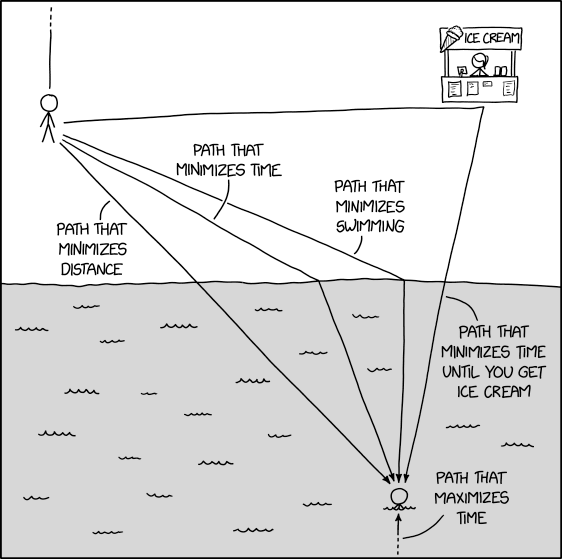
The business problem is to put a lifeguard station on a beach to save some lives (i.e., find the best location for the lifeguard station). This is not really a predictive modeling problem. But that’s the hammer our data scientists have and they have access to fancy libraries. There is also some historical data: swimmers rescued and drowned at other beaches. It all checks out. Resistance to ๐˜ฑ๐˜ช๐˜ฑ ๐˜ช๐˜ฏ๐˜ด๐˜ต๐˜ข๐˜ญ๐˜ญ ๐˜ฑ๐˜ณ๐˜ฐ๐˜ฑ๐˜ฉ๐˜ฆ๐˜ต is futile.

Transforming the problem into an objective function could have signaled that this is an optimization problem (a prescriptive modeling problem), but that step was skipped. In the picture shown, we may need a solution:

– minimizes distance => ๐—ฆ๐—ผ๐—น๐˜ƒ๐—ฒ๐—ฑ ๐˜‚๐˜€๐—ถ๐—ป๐—ด ๐—ฝ๐—ถ๐—ฝ ๐—ถ๐—ป๐˜€๐˜๐—ฎ๐—น๐—น ๐—ณ๐—ฎ๐—ป๐—ฐ๐˜†_๐—น๐—ถ๐—ฏ๐—ฟ๐—ฎ๐—ฟ๐˜†
while also…
– minimizing time => ๐—ง๐—ต๐—ฒ ๐—ฑ๐—ผ๐—บ๐—ฎ๐—ถ๐—ป ๐—ฒ๐˜…๐—ฝ๐—ฒ๐—ฟ๐˜ ๐—ฒ๐—ป๐˜๐—ฒ๐—ฟ๐˜€ ๐˜๐—ต๐—ฒ ๐—ฟ๐—ผ๐—ผ๐—บ
– minimizing swimming => ๐—ง๐—ต๐—ฒ ๐—น๐—ฎ๐—ฏ๐—ผ๐—ฟ ๐˜‚๐—ป๐—ถ๐—ผ๐—ป ๐—ถ๐—ป๐˜๐—ฒ๐—ฟ๐˜ƒ๐—ฒ๐—ป๐—ฒ๐˜€
– minimizing time to ice cream => ๐—ง๐—ต๐—ฒ ๐—ฒ๐˜…๐—ฒ๐—ฐ๐˜‚๐˜๐—ถ๐˜ƒ๐—ฒ ๐—น๐—ฒ๐—ฎ๐—ฑ๐—ฒ๐—ฟ๐˜€๐—ต๐—ถ๐—ฝ ๐˜€๐˜๐—ฒ๐—ฝ๐˜€ ๐—ถ๐—ป
– [not shown] minimizing walking on sand => ๐—ง๐—ต๐—ฒ ๐——๐—ฒ๐—ฝ๐—ฎ๐—ฟ๐˜๐—บ๐—ฒ๐—ป๐˜ ๐—ผ๐—ณ ๐—Ÿ๐—ฎ๐—ฏ๐—ผ๐—ฟ ๐—ฟ๐—ฒ๐—พ๐˜‚๐—ถ๐—ฟ๐—ฒ๐—บ๐—ฒ๐—ป๐˜
and hopefully not…
– maximizing time => ๐—” ๐—ท๐˜‚๐—ป๐—ถ๐—ผ๐—ฟ ๐—ฑ๐—ฎ๐˜๐—ฎ ๐˜€๐—ฐ๐—ถ๐—ฒ๐—ป๐˜๐—ถ๐˜€๐˜ ๐˜€๐—ผ๐—น๐˜ƒ๐—ฒ๐˜€ ๐˜๐—ต๐—ฒ ๐—ฝ๐—ฟ๐—ผ๐—ฏ๐—น๐—ฒ๐—บ

So, the ideal solution requires more thinking about the problem. For example, maximizing the number of lives saved may actually require constraints on how to minimize time so that lifeguards don’t risk their lives during the rescue.

The law of the instrument works a little too well in predictive modeling (and more generally in machine learning). Objective functions are often lost in translation when they should be an explicit step in the modeling process. Best practice tends to favor performance metrics, even though achieving the highest performance on the wrong function is clearly useless (and sometimes detrimental).

More focus on objective functions and less obsession with “better performance” may be what we need. This would underline the importance of problem formulation and domain knowledge, and undermine the ๐˜ฑ๐˜ช๐˜ฑ ๐˜ช๐˜ฏ๐˜ด๐˜ต๐˜ข๐˜ญ๐˜ญ ๐˜ฑ๐˜ณ๐˜ฐ๐˜ฑ๐˜ฉ๐˜ฆ๐˜ต solution.

A combination of Warren Powell‘s writing and the accompanying xkcd comic inspired this post (courtesy of xkcd.com).

Scott Cunningham’s “Mixtape”

I have had a copy of Scott Cunningham‘s “Mixtape” since it came out. I’ve skimmed through it before, but last night, while putting together a few slides, I read an entire chapter and loved it. It has just enough detail to keep the reader from going to the cited work.ย It is also candid and fun. The print version is nicely sized and designed so you can blend in and look cool while others around you are reading the latest fiction. The book has already made its impact and this is probably a late call but I had to share.

Source

Here is a little reflection and this one is seriously about AI

We seem to have a growing barrier to discussing AI: the use of AI as an umbrella term. My former students will say “Here we go again,” but if something means everything, it means nothing. If we take the time to define what we mean when we refer to AI, it will probably help the conversation.

Attached is a figure I’ve been using in my classes since 2017 to make this point (sorry, not the cat picture but the following figure of a timeline from AI to ML to Deep Learning). We might be better off referring to specific models and algorithms (or at least a group of models, such as LLMs, instead of AI).

Over the weekend, I attended a series of discussions on “AI” at the Academy of Management‘s annual conference. I had the opportunity to hear the perspectives of great scholars from a variety of backgrounds. Once again, I was puzzled as to what was meant by “AI” in most of the discussions.

Source

What if parallel trends are not so parallel?

In Data Duets, Duygu Dagli and I offered our take on Ashesh Rambachan and Jonathan Roth‘s recently published but long overdue paper now titled “A more credible approach to parallel trends.”

Problem:
We want to test the causal effect of a promotion on sales, let’s say a coupon. The coupon was sent to newer customers. Did the coupon increase the sales? Or would the new customers have bought more anyway?

Solution:
We’ll never know the answer to the last question but we can answer the first question after making some assumptions. More on this in the post.

This is less elaborate than our earlier posts on synthetic controls and Lord’s paradox. We will probably keep it this way so that we can post more often.

Source

Public trust in generative models

The fact that 73% of consumers trust content created by generative AI models is intriguing. And it’s not just people playing around with a chatbot for trivial conversations:*

– 67% believe they could benefit from receiving medical advice from a generative AI model
– 66% would seek advice from a generative AI model on relationships (work, friendships, romantic relationships) or life/career plans
– 64% are open to buying new products or services recommended by a generative AI model
– 53% trust generative AI-assisted financial planning

To put this into perspective, only 62% of people trust their doctor the most for medical advice.**

* 2023 survey by Capgemini of 10,000 consumers
** 2023 survey by OnePoll for Bayer of over 2000 adults

Source

tidylog

H/T to Travis Gerke, I’ve just discovered the wonderful work of Benjamin Elbers. tidylog provides feedback for dplyr and tidyr operations in R. This is another simple and powerful idea that basically uses wrapper functions for the dplyr and tidyr functions with feedback added. This will help greatly with both teaching and “doing.”

Source